
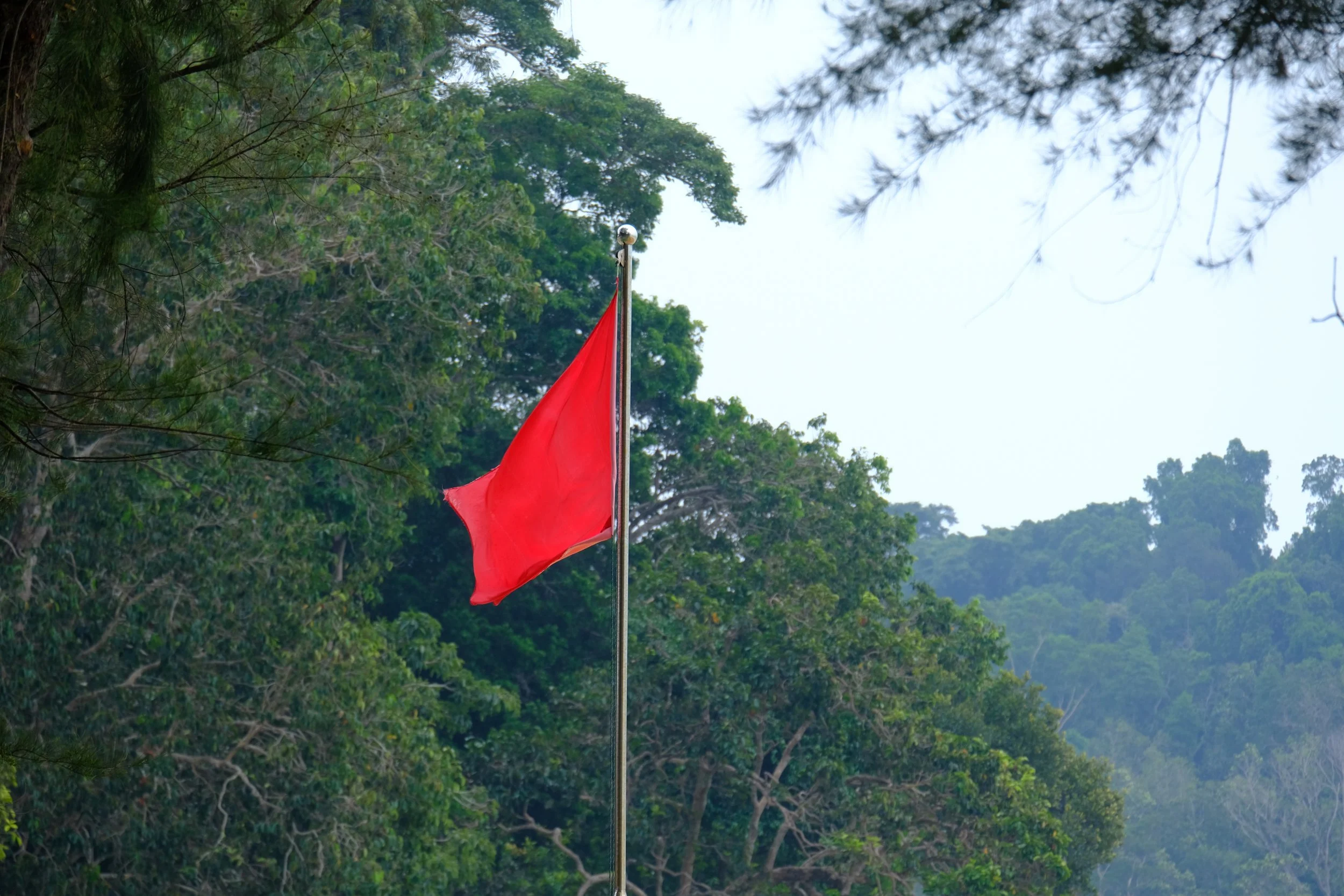
3 Red Flags of Poor Forestry Practices
Forests are one of the planet’s most valuable resources, providing clean air, biodiversity, and raw materials for countless industries. But not all forestry operations are created equal. Some practices harm ecosystems, reduce forest health, and threaten local communities. Knowing the warning signs of poor forestry practices is essential for consumers, landowners, and environmental advocates.

1. Clear-Cutting Large Areas Without
a Reforestation Plan
Clear-cutting—removing all trees in a large section of forest—can be sustainable if carefully managed, but it becomes problematic when there’s no plan to replant or restore the land. A forest left bare is vulnerable to erosion, loss of soil fertility, and disruption of local wildlife habitats. If a forestry operation shows no signs of reforestation or ecosystem restoration, that’s a major red flag.

2. Ignoring Biodiversity and Wildlife Protection
Healthy forests are home to countless species of plants and animals. Poor forestry practices often involve neglecting wildlife corridors, removing critical habitats, or failing to protect endangered species. If a forest management plan doesn’t account for biodiversity, it can lead to long-term ecological damage, including population declines, invasive species growth, and ecosystem imbalance.
3. Lack of Transparency and Certification
Responsible forestry operations are usually transparent about their methods and may carry certifications. Companies that resist third-party audits, hide their supply chains, or fail to provide information about harvesting practices are a warning sign. Transparency is key to accountability and sustainable forest management.
Why It Matters
Forests are essential to our climate, water systems, and overall environmental health. Supporting forestry operations that follow sustainable practices ensures forests can continue to provide these benefits. By recognizing these red flags, you can make informed choices as a consumer, advocate, or landowner, helping protect forests for future generations.
Take Action
Look for certified products (FSC, SFI).
Ask questions about reforestation and biodiversity protection.
Support companies and organizations committed to responsible forestry.
Being aware of poor forestry practices is the first step toward making a positive impact. The more people demand sustainable forestry, the healthier our forests—and planet—will remain.
