
Growing a Greener Future with sustainable practices

Forests are more than just a backdrop to our natural world—they are vital ecosystems that provide clean air, fresh water, wildlife habitat, and resources for human communities. Yet, the growing demand for timber, paper, and other forest products has put immense pressure on these critical landscapes. This is where sustainable forestry practices come in: a balanced approach to managing forests that meets today’s needs without compromising the health of forests for future generations.
What Is Sustainable Forestry?
Sustainable forestry is the practice of managing forest resources in a way that preserves biodiversity, maintains ecological integrity, and supports local communities while still providing renewable resources. It goes beyond simply planting trees—it involves careful planning, selective harvesting, and long-term monitoring to ensure the forest continues to thrive.
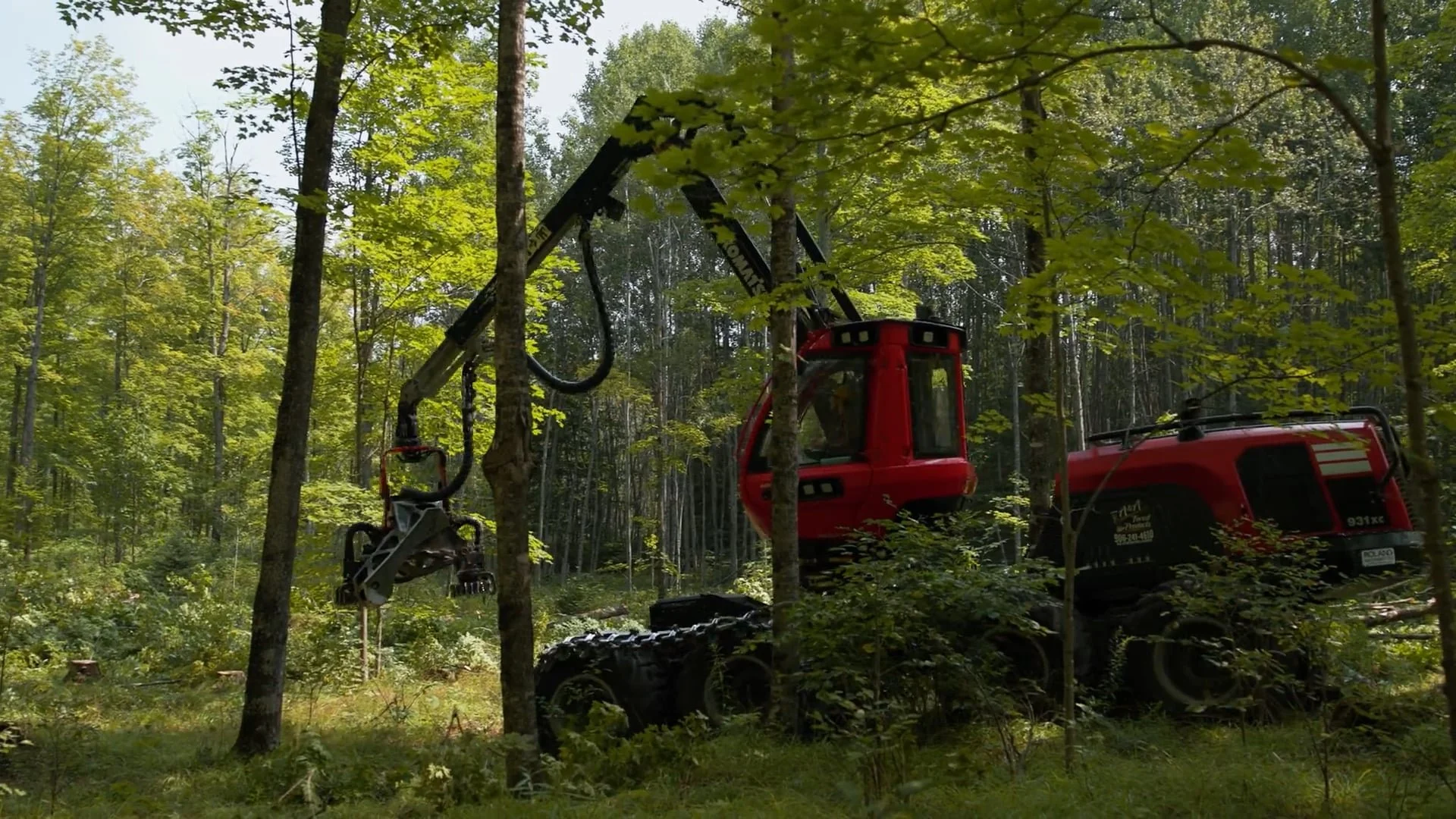
Key principles include:
Timber Harvesting: Sustainability starts with Silviculture, the art and science of forest management. A variety of harvesting techniques are available to meet the needs of a diverse forest.
Reforestation and Afforestation: After harvesting, new trees are planted to replace those removed, ensuring a continuous cycle of growth.
Protecting Wildlife and Water Resources: Sustainable forestry practices include maintaining wildlife corridors, protecting wetlands, and preventing soil erosion to safeguard the broader ecosystem.
Community Engagement: Sustainable forestry often involves working with local communities to support economic development while conserving forest lands.
Why Sustainable Forestry Matters
Forests are essential carbon sinks that help fight climate change, but unsustainable logging and deforestation release carbon into the atmosphere and degrade habitats. By adopting sustainable practices, forestry operations can reduce their environmental footprint while still providing essential resources. Moreover, sustainable forestry supports industries, creates jobs, and ensures that future generations can enjoy and benefit from healthy forests.

Steps You Can Take
Consumers can contribute to sustainable forestry by choosing certified products, such as those labeled by the Sustainable Forestry Initiative (SFI). Supporting companies and organizations that prioritize responsible forest management helps create a market demand for sustainably sourced products.
In essence, sustainable forestry is about balance—meeting human needs while preserving the planet’s forests for generations to come. By embracing responsible forestry practices, we can ensure that forests remain vibrant, productive, and life-sustaining well into the future.
